Americas & Caribbean
Warm-weather celebrations and tropical rhythms
Warm-weather Christmas celebrations often involve more open-air music and processions, transforming traditional carols into vibrant community celebrations.
Mexico & Central America - Las Posadas
In Mexico and much of Central America, Las Posadas (Dec 16–24) are nightly re-enactments of Mary and Joseph seeking lodging. People go house to house, singing a special song dialog – essentially a sung drama – asking for posada (shelter). Finally welcomed in, they celebrate with carols, piñatas, and fiesta.
The carols (villancicos) in Spanish include "Noche de Paz" (Silent Night), "Los Peces en el Río", and "El Burrito Sabanero" (The Little Donkey) – the latter being a cheery Venezuelan carol popular with kids.
Puerto Rico & Caribbean - Parranda
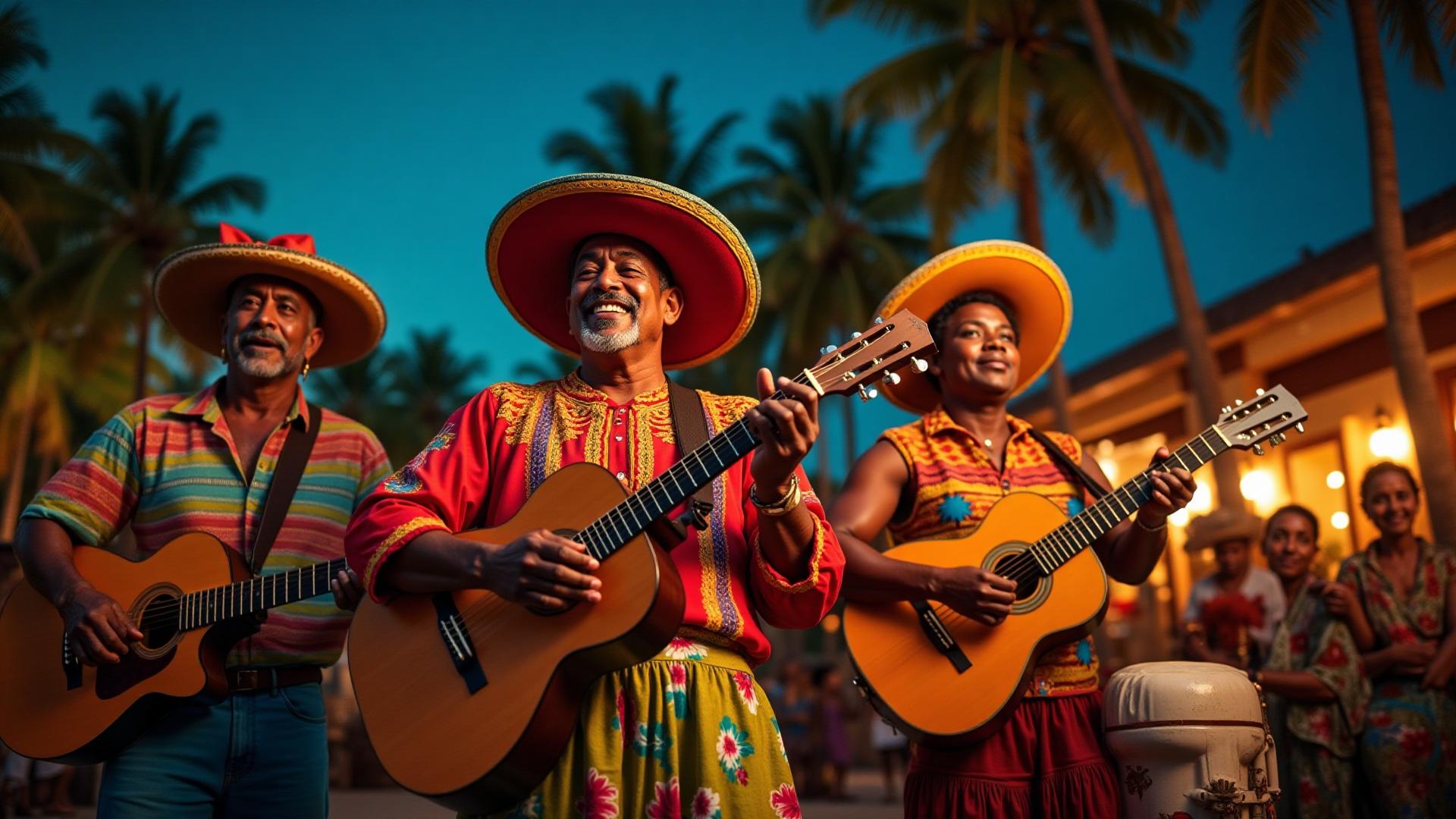
In Puerto Rico and some Latin countries, there's the fun tradition of parrandas or trullas navideñas – essentially Christmas caroling party brigades. Late at night, friends gather with guitars, tambourines, and drums, sneak up to someone's house, then burst into upbeat carols (aguinaldos).
The awakened hosts must then invite everyone in for food and join the parranda to the next house! It's like caroling combined with a progressive party. Songs are lively, like "Asalto Navideño" and "Felices Fiestas", and often mention holiday foods and good cheer.
Caribbean Rhythms
Caribbean nations blend European carols with local calypso or reggae. In Trinidad and Tobago, there's a genre called Parang – folk Christmas music originally from Venezuela, sung in Spanish. Parang bands may go house to house like carolers, singing and playing instruments like cuatro, maracas, and box bass. The themes can be about the Nativity or just holiday merriment.
Meanwhile, Trinidad's steelpan orchestras have arranged carols into the mesmerizing ringing sound of steel drums. Hearing "Mary's Boy Child" or "Winter Wonderland" played by steelband under a tropical night sky is an auditory treat – a Caribbean twist on caroling.
Tropical Christmas Spirit
In the Caribbean, "Silent Night" gets a steelpan arrangement. "O Come, All Ye Faithful" takes on calypso rhythms. Christmas services blend British colonial heritage with African and Indigenous musical traditions. The result is joyful, rhythmic worship that reflects the Caribbean's unique cultural synthesis. Palm trees replace pine; sunshine replaces snow; but the spirit of communal celebration remains.